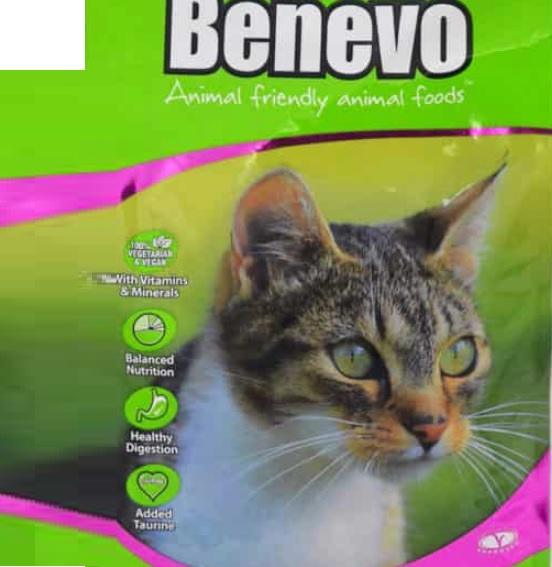
Transitioning your cat to a vegan diet can be safe and effective by following guidelines such as gradual transition, nutrient balance, consulting with a veterinarian, monitoring your cat’s health, offering variety, and being patient. With the best cat food in Australia, you can ensure your cat receives all the necessary nutrients while aligning with your values. According to recent data, the Australian pet food market was valued at $3.0 billion in 2021. Vegan pet food options are expected to continue to rise due to increasing environmental and ethical concerns among pet owners.
Gradual Transition
To ensure your cat’s well-being, gradually transitioning to a vegan diet is crucial. A sudden change in food can lead to digestive issues, such as vomiting and diarrhoea. Start by adding a small amount of vegan food to your cat’s diet and gradually increase it over a week or two. This helps your cat adjust to the new diet safely and effectively.
Nutrient Balance
Cats require several essential nutrients, including protein, taurine, and vitamins, commonly found in meat-based diets. When transitioning your cat to a vegan diet, it is essential to ensure that the new food meets its nutritional needs. Look for vegan cat food labelled “complete and balanced,” which indicates that it contains all the essential nutrients your cat requires.
Consult with Your Veterinarian
Consulting with your veterinarian is vital before transitioning your cat to a vegan diet. Your vet can guide you on safely switching your cat’s diet and recommend supplements to meet their nutritional needs. In Australia, vegan cat food costs between $2 to $5 per 100 g, which may be pricier than traditional cat food. Nevertheless, investing in your cat’s health is crucial to provide all necessary nutrients.
Monitor Your Cat’s Health Closely
Monitoring your cat’s health closely during the transition period is crucial. Look out for signs of digestive problems such as vomiting, diarrhoea, and loss of appetite. Ensure that your cat is well-hydrated and drinking enough water. Watch for signs of dehydration and seek veterinary advice if you’re concerned. By monitoring your cat’s health closely, you can ensure a safe and successful transition to a vegan diet.
Variety is Essential
Variety is essential in any diet, including a vegan diet for your cat. Offer your cat different types of vegan cat food to ensure they receive all the necessary nutrients. Consider rotating the types of food you offer to provide a variety of flavours and textures.
Don’t Forget the Importance of Water
Water is essential for your cat’s health and digestion. It’s vital to ensure that your cat has access to fresh water at all times, as water is essential for their health and digestion. Adding water to your cat’s wet food is a great way to increase their water intake, which can be particularly beneficial for cats who don’t drink enough water on their own.
Patience is Key
Transitioning to a vegan diet may take some time, and patience is essential. Every cat is different; some may take longer to adjust to a new diet. Keep offering the new vegan food and gradually increase the amount over time. Remember to consult your veterinarian if you have concerns about your cat’s health or the transition process.
Conclusion
Transitioning your cat to a vegan diet can be a safe and effective way to provide them with a healthy and nutritious diet while aligning your values with their diet. With the best cat food in Australia, you can ensure your cat receives all the necessary nutrients while transitioning to a vegan diet. Remember to transition your cat gradually, consult your veterinarian, monitor their health, offer variety, and be patient. By following these tips, you can help ensure a smooth and safe transition to a vegan diet for your furry friend.
About Author